Why a Written Radon Quote Matters Before Mitigation Work Begins
When I first started testing homes for radon gas back in the early 2000s, most homeowners I met had no idea what a radon mitigation system even looked like. They knew radon was bad, they knew the EPA recommended action at 4.0 pCi/L, but the actual process of installing a sub-slab depressurization system was a complete mystery. Fast forward twenty years, and the biggest change I've seen is how people shop for radon mitigation. These days, a written radon quote isn't just a piece of paper. It's the single most important document you'll get from any radon mitigation company.
Why Verbal Estimates Fall Short
I've lost count of how many homeowners have told me, "The guy on the phone said it would be around twelve hundred bucks, but when he showed up he said the job was more complicated and now it's eighteen hundred." That kind of story is painfully common in the radon mitigation industry. A verbal estimate is worth exactly the air it's carried on. There's no binding agreement, no itemized list of what you're paying for, and no protection if the scope of work changes once the contractor sees your crawlspace or slab.
A written radon quote locks in the price and the scope. It forces the contractor to think through the job before they start digging. It protects you from surprise upcharges. And it gives you a document you can compare against other bids. Without it, you're trusting someone's memory and goodwill, and in a business where every house is different, that's a dangerous game.
What a Good Radon Quote Should Include
Over the years I've reviewed hundreds of these documents, and the good ones all share the same bones. Here's what you should look for:
- Radon test results - The quote should reference the specific radon level found in your home, whether from a short-term radon detector or a long-term test. If the contractor doesn't ask to see your test results before writing the quote, that's a red flag.
- System design details - Will they use active soil depressurization? Sub-slab depressurization? Where will the radon vent pipe run? What kind of radon fan will they install? A vague quote that just says "install radon system" isn't enough.
- Materials and equipment - The quote should list the specific radon pump, fan, and any radon barrier materials they plan to use. Different fans move different amounts of air, and some are quieter than others. You have a right to know what you're getting.
- Permits and code compliance - In many areas, including parts of Pennsylvania, radon mitigation work may need a permit. A reputable contractor will either handle this or explain why it's not required. A written radon quote should mention local building codes.
- Warranty and post-installation testing - Most good contractors will come back after the system is running and do a follow-up radon test to confirm the radon level has dropped below the EPA action level. That should be in the quote.
If any of these are missing, ask questions before you sign. A contractor who can't or won't put these details in writing is probably cutting corners somewhere.
The Reality of Radon Mitigation in York County
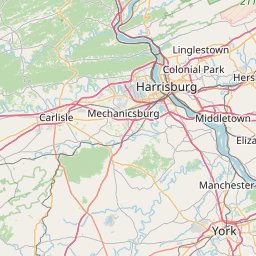
I work primarily in York County, Pennsylvania, and I can tell you that the geology here makes radon a persistent problem. The underlying rock formations, especially the limestone and shale, can produce significant radon gas. I've tested homes where the radon level was over 100 pCi/L, twenty-five times the EPA's recommended action level. In situations like that, you need a system that's designed right the first time.
Dan Jenkins, a certified radon mitigator I've worked with on several jobs, once told me that the worst calls he gets are from people who hired the cheapest contractor without getting a written radon quote first. They end up with a system that doesn't work, a fan that's too small for the house, or a vent pipe that runs through a living space and looks terrible. By the time Dan gets called in to fix it, the homeowner has already spent more money than if they had paid for a proper installation upfront.
How Radon Mitigation Works (And Why Details Matter)
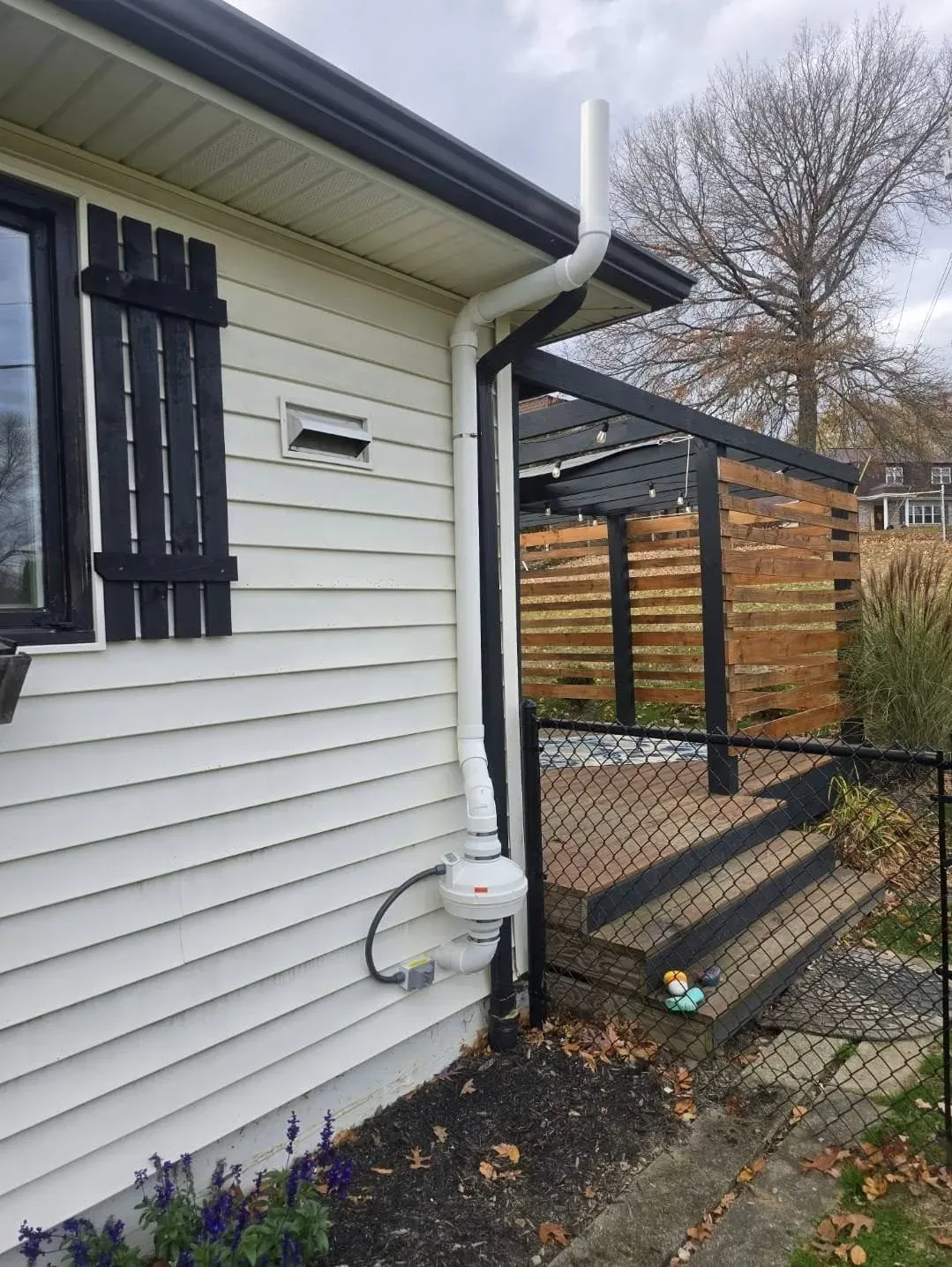
Most residential radon mitigation systems use a technique called active soil depressurization, also known as sub-slab depressurization. A radon pump or fan is installed in the attic or outside the home, connected to a radon vent pipe that runs down through the slab into the gravel layer beneath. The fan creates negative pressure under the slab, pulling radon gas out of the soil and venting it safely above the roofline.
But every house is different. The depth of the slab, the type of flooring, the presence of a sump pump or floor drains, the layout of the basement. All of these factors affect how the system should be designed. A contractor who gives you a one-size-fits-all price over the phone without seeing your house is not someone you want working on your home. A proper written radon quote should reflect a site visit or at least a thorough review of your home's construction.
Common Pitfalls I See With Radon Quotes
Here are a few things that should make you pause when reviewing a quote:
- No mention of a radon detector for post-testing. If the contractor doesn't plan to verify the system's performance with a new radon test, you have no way of knowing if the radon mitigation worked.
- Vague language about "standard installation." Every house is custom. There is no standard installation. A good quote accounts for common variations.
- Pressure to sign immediately. Radon is a health concern, but it's not an emergency. If a contractor tells you the price is only good for 24 hours, that's a sales tactic, not a professional approach.
- No mention of the radon barrier. In some cases, a radon barrier or vapor barrier under the slab is needed. If the quote doesn't address whether one exists or will be added, ask about it.
The Value of a Certified Radon Mitigator
I've seen homeowners try to save money by hiring a handyman or a general contractor to install a radon system. It rarely ends well. Radon mitigation is a specialized trade. A certified radon mitigator has training in how radon moves through soil, how to seal cracks in the slab, how to choose the right radon fan for the cubic footage of the house, and how to meet EPA guidelines for radon remediation. That expertise costs a little more upfront, but it saves money and frustration in the long run.
When you get a written radon quote from a certified professional, you're paying for that expertise. You're paying for someone who will stand behind their work and come back if the radon level doesn't drop. That peace of mind is worth more than the few hundred dollars you might save by going with a cheaper bid.
Why I Always Recommend a Written Radon Quote
After two decades in this field, I've learned that the quality of the quote often predicts the quality of the work. A contractor who takes the time to write a detailed, transparent proposal is usually the same contractor who will take the time to do the job right. A contractor who gives you a handshake and a number is often the same contractor who will cut corners when no one is watching.
So before you let anyone start drilling holes in your slab or running pipe through your basement, get a written radon quote. Read it carefully. Compare it with other quotes. Ask questions about anything you don't understand. And if a contractor hesitates to give you one, consider that hesitation a clear warning. In the world of radon mitigation, transparency isn't optional. It's the foundation of a job well done.